importance of quote trade
What is the importance of quote trade in options trading? This question highlights a critical aspect of how options markets function and how traders make informed decisions. Quote trade data, which consists of real-time bid prices, ask prices, and executed trades, is vital for options traders because it provides a transparent window into market supply and demand, liquidity, and pricing dynamics. Without accurate and timely quote trade information, options traders would struggle to gauge fair value, manage risk, and execute strategies effectively.
One of the primary reasons quote trade is important in options trading is because options markets tend to be less liquid and more complex than traditional stock markets. Options contracts have varying strike prices, expiration dates, and underlying assets, creating a vast number of possible combinations. Quote trade data helps traders navigate this complexity by showing the best available prices to buy or sell specific options contracts and the actual trades being executed at those prices. This information enables traders to identify where the market is active and which contracts offer reasonable liquidity, helping them avoid costly slippage or wide bid-ask spreads.
The bid-ask spread revealed through quote trade data is particularly crucial in options trading. Unlike stocks, where spreads can be narrow for highly liquid issues, options spreads often widen due to lower trading volumes and higher risk. By closely monitoring quote trade data, options traders can assess the cost of entering or exiting positions and decide if the pricing is favorable. Tight spreads and active trade executions reflected in the quote trade data signal a healthy market and make it easier for traders to implement strategies without incurring excessive transaction costs.
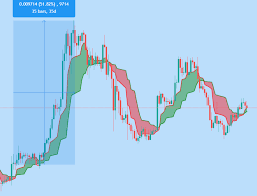
What is the importance of quote trade in options trading?
Moreover, quote trade data is essential for valuing options correctly. The price of an option is influenced by multiple factors including the price of the underlying asset, time to expiration, volatility, interest rates, and dividends. Real-time quote trade data helps traders see how the market values these factors in practice by reflecting current supply and demand conditions. When option prices deviate from theoretical models, quote trade information alerts traders to potential arbitrage opportunities or shifts in market sentiment that may warrant adjustment of their positions.
In addition, options traders use quote trade data to monitor market sentiment and volatility. For example, a surge in aggressive buying reflected by increasing bid sizes and higher trade volumes can indicate growing bullish sentiment, while widening spreads and declining trade activity may suggest uncertainty or bearish outlooks. Since options are often used to hedge or speculate on volatility, understanding how quote trade data reflects changing market dynamics is crucial for timing trades and managing risk exposure.
Quote trade data also supports effective execution of complex options strategies. Many traders use multi-leg strategies such as spreads, straddles, or butterflies, which involve simultaneously buying and selling multiple options contracts. Accurate and timely quote trade information for all legs of these strategies is necessary to ensure that trades are executed at acceptable prices and that the strategy’s risk-reward profile is maintained. In fast-moving markets, delays or inaccuracies in quote trade data can lead to unfavorable fills or missed opportunities.
In summary, what is the importance of quote trade in options trading? It is indispensable for providing real-time insights into pricing, liquidity, market sentiment, and execution quality. Quote trade data enables options traders to assess fair value, manage transaction costs, interpret market conditions, and execute complex strategies effectively. Without reliable quote trade information, navigating the nuanced and multifaceted world of options trading would be far more challenging and risky.